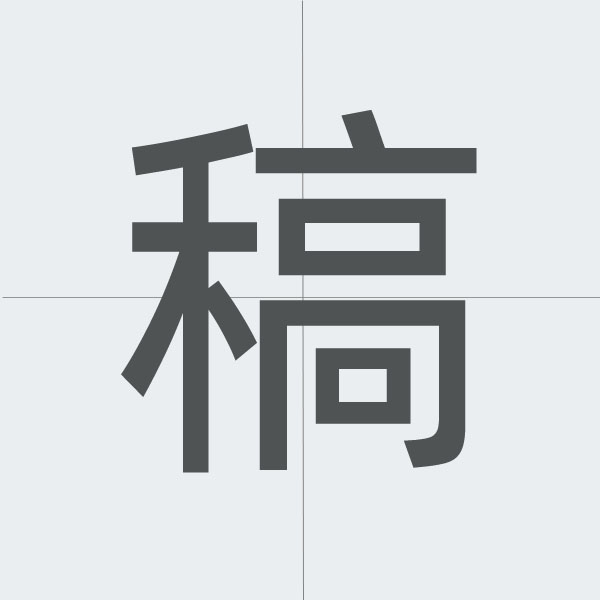
The Kanji: 稿 (Kō)
The kanji 稿 means "draft," "manuscript," or "straw." It combines the radical 禾 (grain) with 高 (tall), originally referring to dry grain stalks (straw) which evolved to mean preliminary writing drafts - drawing a parallel between raw materials and unfinished manuscripts.
Common Words & Example Sentences
1. 原稿 (genkō) - Manuscript
小説の原稿を書いている。
"I'm writing a novel manuscript."
2. 草稿 (sōkō) - Draft
論文の草稿を提出する。
"Submit a draft of the thesis."
3. 投稿 (tōkō) - Submission
記事を雑誌に投稿した。
"I submitted an article to a magazine."
4. 稿料 (kōryō) - Manuscript fee
作家が稿料を受け取る。
"The writer receives a manuscript fee."
In summary, 稿 specifically relates to written drafts and publications, appearing in professional contexts from initial drafts (草稿) to published works (原稿) and the compensation for writing (稿料).