Kanji Analysis: 畿 (Ki)
The kanji 畿 is a historical and geographical character with a very specific meaning. It refers to the capital region or the imperial domains surrounding the capital city.
Primary Meaning: Capital City and its Environs; Imperial Domain
Reading:
Onyomi (Sound-reading): キ (Ki)
Kunyomi (Meaning-reading): None. It is not used as a standalone word.
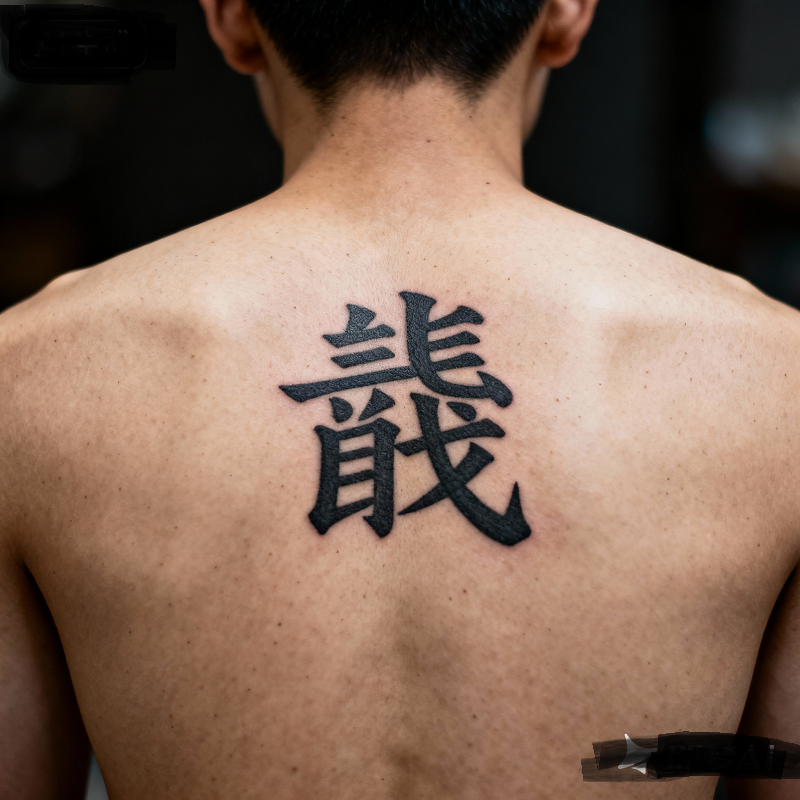
1. Breakdown for Easy Learning
The character's composition is symbolic of its meaning:
幺 (Sujigai): This component represents "short thread" or "slight," but in this context, it can be thought of as implying something fine-drawn or controlled.
戈 (Hoko): The "spear" or "halberd" radical.
田 (Ta): The "rice field" radical.
Memory Tip: Think of it as "the rice fields (田) and territory controlled by the spear (戈) of the imperial court." This evokes the image of the land directly under the military and administrative control of the capital.
2. Common Vocabulary (語彙 - Goi)
"畿" is almost exclusively used in proper nouns and specific compound words related to the region around the capital.
| Word | Reading | Meaning & Context |
|---|---|---|
| 畿内 | きない Kinai | The Capital Region; The Provinces Surrounding the Capital. This is the most important and historical term. In ancient Japan, it referred to the five provinces (Yamashiro, Yamato, Kawachi, Settsu, Izumi) surrounding the capitals of Heijō-kyō (Nara) and later Heian-kyō (Kyoto). |
| 近畿 | きんき Kinki | The Kinki Region. This is the modern name for the large region in western Japan encompassing the major cities of Osaka, Kyoto, Kobe, and Nara. It is the direct descendant of the historical "Kinai" concept. |
| 京畿 | けいき Keiki | The Capital and its Environs. A more classical term, using 京 (kyō, capital) for emphasis. |
3. Example Sentences (例文 - Reibun)
Given its nature as a proper noun, "畿" is used in geographical and historical contexts.
Using 畿内 (Kinai) in a Historical Context:
Japanese: 奈良時代、畿内は朝廷の直接支配下にあった。
Romaji: Nara jidai, Kinai wa chōtei no chokusetsu shihai ka ni atta.
English: During the Nara period, the Kinai region was under the direct control of the Imperial Court.
Using 近畿 (Kinki) in a Modern Context:
Japanese: 近畿地方は、日本の歴史と文化の中心地の一つです。
Romaji: Kinki chihō wa, Nihon no rekishi to bunka no chūshinchi no hitotsu desu.
English: The Kinki region is one of the centers of Japanese history and culture.
4. Tattoo Meaning: A Symbol of Roots and Centrality
Getting "畿" as a tattoo is a highly specific and intellectual choice. Its meaning is deeply rooted in geography, history, and identity.
Core Symbolism: The Center, The Heartland, Cultural Roots, Historical Legacy.
Potential Positive Interpretations:
Connection to the Kansai Region: For someone from the 近畿 (Kinki) area (Osaka, Kyoto, Nara, etc.), this kanji is a powerful and sophisticated symbol of hometown pride. It signifies a deep connection to the historical and cultural heartland of Japan.
A Personal "Center": It can metaphorically represent one's own "inner capital" or core—the central part of one's identity, values, or soul from which everything else emanates.
Appreciation for History and Tradition: It shows a deep respect for Japanese history and the imperial tradition, representing a connection to the ancient roots of the culture.
Authority and Influence: In a more abstract sense, it can symbolize a sphere of influence or the "center" of one's own world or endeavors.
Important Considerations & Warnings:
Extremely Niche: This is not a common kanji for tattoos. Its meaning will be lost on most people, including many Japanese, unless they have a specific interest in history or geography.
Potential for Misinterpretation: Without context, it could simply be perceived as a mysterious but meaningless character. It lacks the immediate emotional resonance of kanji like "愛" (love) or "夢" (dream).
Requires a Story: This tattoo would be most meaningful if you have a direct, personal connection to the Kansai region of Japan or a strong philosophical reason for identifying with the concept of a "heartland."
Summary for Your Studies & Tattoo Decision
Kanji: 畿
Core Meaning: Capital Region, Imperial Domain
Radical Logic: Suggests territory controlled by the imperial court.
Key Modern Word: 近畿 (Kinki) - The Kinki Region (Osaka, Kyoto, etc.)
Key Historical Word: 畿内 (Kinai) - The historical capital provinces
Final Tattoo Advice:
"畿" is a fantastic and deeply meaningful tattoo, but only for a very specific person. It is the perfect choice for someone of Kansai heritage who wants a subtle, cultured, and non-cliché symbol of their roots. It is also a compelling choice for a Japan history enthusiast who wants a symbol of the nation's historical core.
However, if you lack this direct connection, it may come across as obscure or randomly chosen. If you seek a more universally understood symbol for "center," 中 (naka) or 心 (kokoro - heart) might be more direct. But for the right person, "畿" is a mark of great sophistication and depth.